Systems Installed Right From Foundation Up
New Construction Plumbing in Abilene for residential and commercial building projects requiring complete system installation
New construction plumbing in Abilene begins with coordinating utility connections before slabs are poured, continues through rough-in phases as framing progresses, and concludes with fixture installations after finishes are complete. Builders and contractors depend on accurate plumbing system planning to keep projects on schedule, avoid inspection delays, and prevent costly rework when drain stacks or supply lines conflict with structural elements. Adams Plumbing & Heating installs water lines, sewer systems, gas lines, and utility connections for new residential and commercial builds, working alongside project managers to ensure plumbing phases align with construction timelines and code inspections.
The plumbing process starts with reviewing architectural plans to confirm fixture locations, vent routing, and utility entry points before foundations are set. Rough-in work positions drain lines, supply stubs, and vent stacks within walls and ceilings, with inspections verifying code compliance before insulation and drywall close access. Final connections happen once cabinets, countertops, and finish materials are installed, ensuring fixtures align precisely with completed surfaces.
Request construction plumbing estimates to coordinate system installation with your building timeline and project specifications.
What Complete Plumbing System Planning Requires
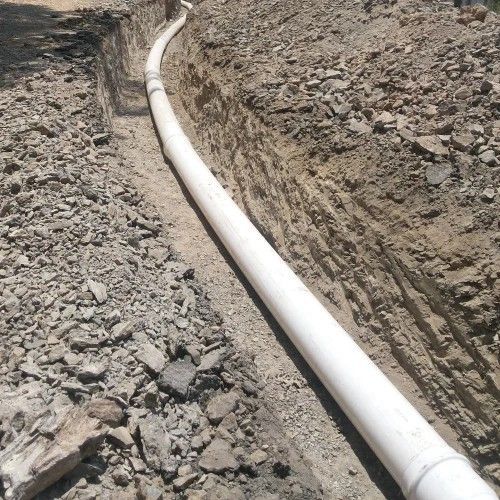
Plumbing installation for new construction involves sizing supply lines for total fixture demand, calculating drain slopes to meet code within available joist depths, and routing vents to clear roof penetrations without interfering with trusses or HVAC. Water service lines are buried at frost-depth minimums, sewer laterals slope consistently toward municipal connections, and gas lines are pressure-tested before walls close. Coordination with electricians, framers, and HVAC installers prevents conflicts where trades share wall cavities or ceiling spaces.
Once construction plumbing is complete, every fixture operates with adequate pressure and drainage, water heaters deliver consistent temperature throughout the building, and shut-off valves allow isolated repairs without disrupting entire zones. Sewer connections clear waste efficiently, vent stacks prevent drain traps from siphoning, and supply lines maintain pressure even when multiple fixtures run simultaneously across different floors or tenant spaces.
New construction projects also benefit from code-compliant installations that pass inspections on first review, reducing delays that push occupancy dates or prevent certificate of occupancy approvals. Professional project coordination keeps plumbing phases synchronized with construction schedules, avoiding downtime when other trades wait for rough-in completion or final connections.
Common Questions About This Service
Contractors and property owners managing new construction often ask about plumbing timelines, coordination requirements, and how installations integrate with building schedules.
What plumbing work happens before concrete slabs are poured?
Underground supply lines, sewer laterals, and drain stubs are positioned and inspected before slabs are poured, since relocating these lines after concrete sets requires expensive demolition and rework.
How does plumbing rough-in coordinate with other construction phases?
Plumbing rough-in occurs after framing and before insulation, allowing drain lines and supply stubs to be installed and inspected while walls remain accessible for adjustments or corrections identified during code review.
When are plumbing fixtures installed during new construction?
Fixtures are installed after drywall, paint, cabinetry, and countertops are complete, ensuring faucets, toilets, and other finish plumbing align with final surfaces without risking damage during other trades' work.
What plumbing inspections are required for new construction in Abilene?
New construction typically requires inspections at rough-in, before walls close, and at final fixture installation, with each phase verifying code compliance for drain slopes, vent sizing, supply line pressure, and gas line integrity.
How does lot topography affect new construction plumbing?
Sloped lots may require lift stations for sewer discharge if gravity drainage can't reach municipal lines, while flat lots need careful drain slope calculations to maintain code-compliant flow rates within shallow joist spaces.
Adams Plumbing & Heating coordinates plumbing installation for new residential and commercial construction projects throughout Abilene, working with builders and contractors to meet project schedules and code requirements. Call (325) 677-6322 to discuss construction plumbing for your building project.