Underground Systems Installed and Maintained Correctly
Utility Line Services in Abilene for water lines, sewer lines, and natural gas systems requiring installation, repair, or replacement
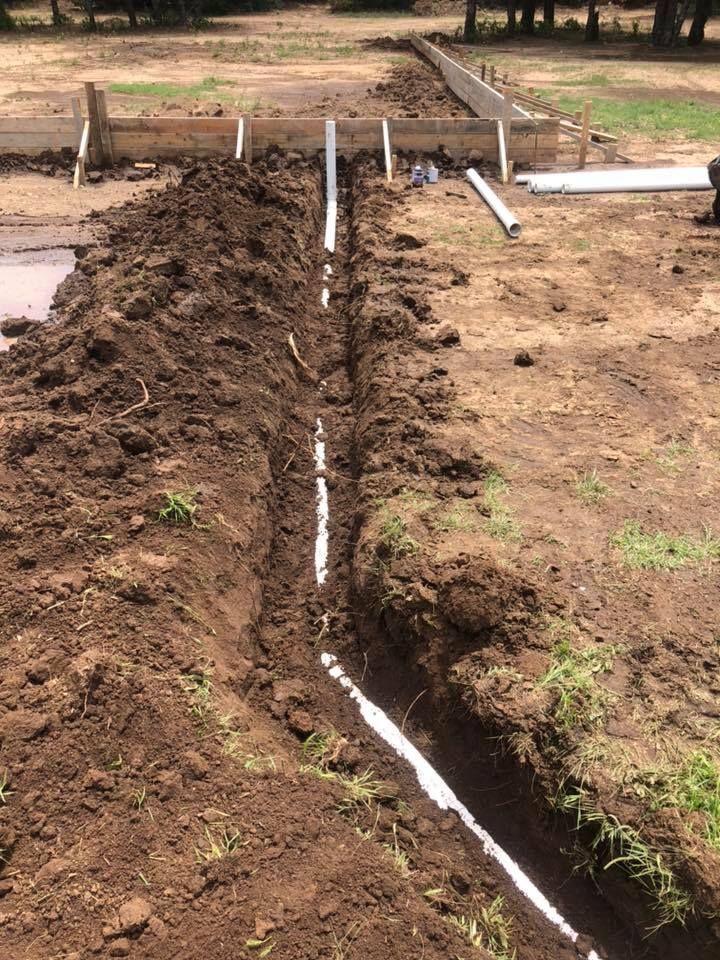
Excavation work exposes aging infrastructure when utility connections fail beneath driveways, yards, and building foundations. Adams Plumbing & Heating handles water line installation, sewer line replacement, and natural gas line troubleshooting for Abilene properties where underground systems deteriorate from corrosion, ground shifting, tree root intrusion, and decades of pressure cycling. Safe excavation practices protect existing utilities while accessing damaged sections, and proper backfilling prevents future settlement that stresses repaired lines and creates new failure points.
Utility line projects address damaged sections that leak, restrict flow, or pose safety risks when gas lines develop cracks or loose fittings. Installation work connects new construction to municipal systems, replaces deteriorated lines that no longer meet code requirements, and upgrades undersized pipes that cannot handle increased demand from additions or higher-efficiency appliances.
Arrange an on-site consultation to evaluate your utility line condition and discuss installation or repair requirements.
What Utility Line Work Actually Accomplishes
Utility line services involve excavating to the required depth, removing damaged pipe sections, installing replacement materials rated for underground burial and the specific utility being carried, and testing connections for leaks before backfilling. Water lines require pressure testing to verify joints hold under normal operating pressure, sewer lines need grade verification to confirm wastewater flows properly without low spots that trap debris, and gas lines undergo rigorous leak detection using pressure decay tests and approved detection solutions.
After installation or repair completes, your property operates with reliable utility delivery, consistent water pressure at all fixtures, drainage that moves wastewater away without backup, and gas appliances that receive steady fuel supply without pressure fluctuations or safety concerns. Landscaping disturbance is limited to the trench path required for access, and proper compaction prevents settling that creates depressions or damages pavement.
Utility line materials are selected based on soil conditions, burial depth, local code requirements, and the specific utility being installed. Sewer lines in areas with aggressive tree root growth may require root barriers or pipe materials less susceptible to intrusion, while water lines in regions with freeze potential need adequate burial depth to prevent rupture during cold snaps.
Questions Before Starting Your Project
Property owners planning utility line work need clarity on excavation extent, material choices, and system reliability before construction begins.
What causes water lines to fail after years of reliable service?
Corrosion eats through metal pipes from the outside in when soil chemistry accelerates oxidation, ground movement stresses rigid connections until they crack, and pressure surges from municipal supply cycling fatigue pipe walls over decades.
How deep do utility lines need to be buried to meet code requirements?
Water lines typically require burial below the local frost line to prevent freezing, sewer lines need sufficient depth for gravity drainage with proper slope, and gas lines follow depth specifications based on pressure rating and location relative to structures.
When does sewer line replacement become necessary instead of repair?
Replacement makes sense when multiple sections have deteriorated, tree roots have infiltrated along extensive pipe lengths, or the existing material no longer meets code and repair would leave non-compliant sections in place.
What makes natural gas line work require specialized training and licensing?
Gas line installation and repair involve combustible fuel under pressure, requiring leak-free connections, proper pressure regulation, and testing procedures that prevent explosive hazards and ensure safe appliance operation.
How do contractors locate existing utilities before excavating for new installations?
Utility locating services mark the position of buried electric, gas, water, sewer, and communication lines using electronic detection equipment and utility company records to prevent accidental strikes during digging.
Adams Plumbing & Heating brings experience with residential, commercial, and construction-related utility projects that demand code compliance and long-term reliability. Request utility line inspection or installation estimates to address aging infrastructure and connect new systems safely.